
How to Balance Complex Needs: Personalized Care through Food Choices
A practical guide for caregivers to use specialized diets and meal planning to deliver personalized, evidence-based nutrition care.
How to Balance Complex Needs: Personalized Care through Food Choices
Caregiving is an act of love that often collides with logistics, medical needs, and nutritional complexity. This guide shows caregivers and care teams how to turn food into a precise tool for personalized care—covering assessments, specialized diets, meal planning, technology, community resources, and measurable outcomes.
Introduction: Food as Medicine—and as Daily Care
Nutrition sits at the intersection of health management, independence, and quality of life. When caregiving for someone with dementia, diabetes, swallowing disorders, or multiple chronic conditions, food choices become clinical decisions. This guide synthesizes real-world approaches and practical tools so caregivers can design personalized plans that address medical needs, taste preferences, and daily routines.
Before you start, build a foundation. A simple kitchen refresh—investing in the right tools and layout—can change everything. See our primer on Kitchen Essentials to set up a caregiver-friendly cooking space that minimizes risk and maximizes efficiency.
For ongoing education, tune into trusted sources. Curated listening like healthcare podcasts help busy caregivers stay current with practical tips and evidence-based conversations.
1. Why Food Matters in Caregiving
Nutrition influences clinical outcomes
Calories, macro balance, micronutrients, and timing affect wound healing, cognition, mood, glycemic control, and immune function. Small shifts—reducing added sugars, stabilizing protein intake—can change medication response and hospitalization risk.
Food affects function and independence
Meal textures, utensils, and portioning determine whether a person can eat safely and independently. Adaptive strategies reduce choking risk and preserve dignity.
Eating is social and emotional
Meals are anchors in daily life. Food choices that honor culture and pleasure—while meeting medical targets—support adherence and mental wellbeing.
2. Assessing Complex Needs: A Structured Approach
Medical and medication review
Start with a medication reconciliation; some drugs require dietary restrictions or timing relative to food. Use technology to reduce errors—learn how medication management tools can integrate reminders and interactions into meal plans.
Functional eating assessment
Observe chewing, swallowing, and upper-limb function. Speech-language pathologists provide swallow studies and texture recommendations. Kitchen modifications from the accessibility playbook—like clear sight-lines and reachable storage—translate well into home kitchens.
Social, cultural and budgetary screening
Explore food preferences, cultural dietary patterns, and household finances. Community resources and shared-equipment models can stretch budgets—see real-world approaches in equipment ownership and resource sharing.
3. Specialized Diets: What They Are and When to Use Them
Specialized diets are targeted tools—used to manage metabolic disease, reduce symptom burden, or meet texture and swallowing requirements. Below is a compact comparison to help match goals with practical choices.
| Diet | Goal | Typical Carb Level | When to Use | Example Meals |
|---|---|---|---|---|
| Keto / Low-Carb | Glycemic control, weight management | Very low (often <50g/day) | Careful monitoring for diabetes meds; short-term therapeutic use | Egg frittata with spinach; salmon and cauliflower mash |
| Mediterranean | Cardiovascular health, anti-inflammatory | Moderate | Long-term heart health and cognitive support | Grilled fish, olive oil, veg, legumes |
| Pureed / Texture Modified | Safe swallowing, reduced aspiration risk | Variable | Post-stroke, progressive dysphagia | Pureed stews, nutrient-dense smoothies |
| Low-FODMAP | Reduce GI symptoms like bloating | Variable | Irritable bowel symptom management | Grilled chicken, carrots, rice |
| High-Protein | Support wound healing and lean mass | Moderate | Post-surgery, frailty prevention | Greek yogurt, soft-cooked eggs, protein soups |
Choosing a diet: balance goals and feasibility
Don't chase perfect macronutrient ratios at the cost of adherence. For example, a Mediterranean approach is often easier to sustain than strict ketogenic regimens. When specialized medical therapies are required, coordinate with clinicians and pharmacists.
Ingredient-level considerations
Understanding ingredient variety matters. For caregivers working with plant-based alternatives or soybean-containing products, reading about soybean varieties helps match textures and nutritional profiles to needs.
4. Designing Personalized Meal Plans
Start with an evidence-based template
Templates reduce decision fatigue. Begin with calorie and protein targets set by a dietitian; then create weekly rotating menus that respect palate preferences. Use meal templates for breakfast, lunch, snack, and dinner with swap options to keep variety.
Time-saving strategies: batch cooking and modular meals
Batch-cook proteins, soups, and purees. Modular plates—where caregivers mix and match a protein, veg, and carb component—allow quick assembly. For shared households, consider community strategies from local events and resource-sharing frameworks like community-building models to reduce duplication.
Integrate medication and mealtime timing
Coordinate meals with medications that require food intake or cause appetite changes. Digital medication platforms can wire reminders into mealtimes—see approaches to medication management that integrate with nutrition schedules.
5. Practical Tools, Technology, and Equipment
Adaptive kitchen equipment
Adaptive utensils, non-slip mats, and portioned plates increase independence. For shared or community-owned assistive devices, review models described in equipment ownership and resource sharing to make cost-effective choices.
Telehealth, AI, and caregiver education
Tele-nutrition and remote dietitian visits can bridge gaps. Emerging tech—AI chatbots and guided learning platforms—support caregiver upskilling. Explore frameworks for leveraging AI for effective online learning and how to humanize chatbots so they complement, not replace, clinician judgment.
Compliance and legal guardrails
When storing or processing health-related data, legal compliance matters. If you use AI-driven tools or collect sensitive data, consult resources on AI training data and the law to ensure privacy and security.
6. Meal Prep, Recipes, and Sample Day Plans
Sample day: Balanced plan for an older adult with diabetes and mild dysphagia
Breakfast: Soft scrambled eggs with pureed spinach; half a small baked apple (mashed). Mid-morning snack: Greek yogurt smoothie fortified with whey protein. Lunch: Pureed chicken stew with soft-cooked carrots and mashed potato. Afternoon: Nut butter mousse (smooth). Dinner: Flaked steamed fish with cauliflower mash. Bedtime: Warm milk or alternative if tolerated. Time meals with medication and glucose checks.
Make-ahead recipes caregivers love
1) High-protein vegetable purée: roast mixed veg, blend with bone broth and added protein powder. 2) Modular grain bowls: pre-cooked grains, roasted veg, and portioned proteins. 3) Smoothie packs: frozen fruit, spinach, and measured protein—blend with milk for safe-swallow consistency.
Preserving taste and culture in texture-modified diets
Pureeing doesn't have to mean bland. Use herbs, umami-rich broths, and traditional spice blends to preserve flavor identity. For culturally relevant menus, see how hospitality sectors integrate local food cultures in planning: diverse dining approaches offer ideas for honoring tradition while adjusting textures.
7. Managing Adherence, Behavior, and Transitions
Behavioral strategies for picky eaters or cognitive impairment
Use plate color contrast, single-item focus, and routine. Short, consistent mealtimes reduce agitation. For personality-driven resistance, small, gradual changes win over abrupt shifts.
Seasonal variability and mood
Seasonal affect and appetite changes are real. Implement coping tactics such as lighting adjustments, seasonal menus, and social meal cues. For evidence-based tactics on seasonal stress, review seasonal stress strategies.
Transitions: hospital to home, or moving residence
Transitions increase risk. Coordinate discharge summaries with diet instructions and home-based meal services. When family housing dynamics shift, work through pragmatic steps: see guidance on navigating housing and family shifts to align care and living arrangements.
8. Working with Care Teams and the Community
Interdisciplinary communication
Nutrition plans are most effective when dietitians, nurses, SLPs, pharmacists, and caregivers share a single plan of care. Use structured handoffs and shared digital notes whenever possible.
Community supports and volunteer programs
Meals-on-wheels, faith-based programs, and neighborhood volunteer networks can provide culturally appropriate meals and company. Organizing local food events can energize community-based caregiving—learn from community models such as building local events.
Change management for family caregivers
In caregiving, change is constant. Apply change-management principles to family meetings and role-shifts; leadership case studies offer transferable insights—see lessons from executive transitions in broader organizations at change management insights.
9. Measuring Outcomes and Adapting the Plan
Track clinical metrics and functional outcomes
Key metrics: weight change, albumin/prealbumin trends, glycemic variability, swallow safety, and hospitalization frequency. Collect simple measures weekly to detect drift.
User experience: appetite, enjoyment, and social engagement
Ask simple questions: Did you enjoy the meal? Did you finish most of it? Appetite and mood measures predict adherence better than some lab values.
Iterative improvement and documentation
Use brief Plan-Do-Study-Act cycles. Document what worked and why—this makes transitions between caregivers smoother and preserves institutional knowledge.
Pro Tip: Start with one measurable change—like adding a 10–20g protein supplement at breakfast—and track its impact on strength and energy over 4 weeks. Small wins build caregiver confidence and adherence.
10. Real-World Examples & Case Studies
Case: Mrs. A — Post-stroke dysphagia
Problem: Unsafe thin liquids and declining weight. Intervention: SLP-recommended puree plan, modular nutrient-dense purees, and visual meal cues. Outcome: Stable weight and increased meal independence after 8 weeks.
Case: Mr. B — Diabetes and early dementia
Problem: Hypoglycemia episodes caused by skipped meals and erratic medication timing. Intervention: Timed snack packs, simplified carb choices, and medication reminders linked to meal clocks via a medication app. Outcome: Reduced hypoglycemia and fewer ER visits.
Case: Community pilot — Shared kitchen for caregivers
Problem: Caregivers with limited time and budget. Intervention: Community-shared meal-prep facility and rotating volunteer cooks, inspired by equipment-sharing structures. Outcome: Increased access to culturally appropriate meals and reduced caregiver burnout.
11. Ethics, Culture, and the Human Side of Food
Respecting cultural foodways
Cultural food identity is central to dignity. When adapting textures or ingredients, preserve flavor profiles and rituals. Hoteliers and chefs offer inspiration on preserving local food culture while adapting menus—see examples in diverse dining.
Fair access and sourcing
Ingredient sourcing affects cost and quality. Supporting artisans and resilient supply chains improves food quality—read about artisan resilience in food production at Artisan Stories.
Food literacy for caregivers
Teach caregivers ingredient literacy and label reading. For example, learning soybean varieties and processing differences helps caregivers select tolerable and nutritious soy-based products—learn more at soybean varieties.
12. Future Directions: AI, Telehealth, and Responsible Innovation
AI-supported clinical decision aids
AI can surface menu suggestions based on allergies, meds, and lab data. But AI must be transparent and clinician-supervised. Explore the promise and limits of AI in healthcare conversations such as ChatGPT Health.
Human-centered chatbots and caregiver workflows
Chatbots can answer routine questions and provide meal reminders if they are designed to escalate complex issues to humans. See best practices for human-centered chatbots at Humanizing AI chatbots.
Training and compliance as ecosystems
As tech enters caregiving, prioritize legal compliance and training—especially around data collected for personalization. Guidance is available on AI compliance and data law.
Conclusion: Build Systems, Not Just Meals
Personalized care through food requires assessment, clear goals, smart use of technology, community supports, and iterative measurement. Start small: pick one measurable change, align the care team, create one week of menus, and test. If you need practical setup advice, revisit kitchen essentials and explore medication integration tools at medication management. Continuous learning—through resources like healthcare podcasts and online courses—keeps caregivers resilient and confident.
Finally, don’t work in isolation. Leverage community models, adaptive equipment, and shared learning to scale sustainable, person-centered nutrition care across households and neighborhoods. Practical community lessons can be found in community event organizing and in local resource-sharing case studies like equipment ownership.
Frequently Asked Questions
Q1: How do I start a meal plan for someone with multiple conditions?
Begin with a medication and swallowing review, set priority goals (e.g., prevent weight loss, manage glucose), and create a 7-day rotating menu with measured portions. Engage a dietitian for complex comorbidities.
Q2: Can technology replace clinician judgment in diet decisions?
No. Technology augments care by streamlining reminders, tracking outcomes, and offering recipes, but clinical judgment remains essential—especially for medication interactions and dysphagia management.
Q3: How can I preserve cultural foods for a texture-modified diet?
Recreate flavor profiles using broths, spices, and pureed versions of traditional dishes. Work with SLPs to ensure safe textures while preserving taste identity.
Q4: Where can I find affordable adaptive equipment or shared kitchens?
Explore community resource-sharing networks and local nonprofits. Models and best practices are discussed in community equipment ownership resources.
Q5: How often should I reassess a personalized meal plan?
Reassess every 2–4 weeks initially, then monthly when stable. Reassess sooner after acute changes: hospitalization, new meds, or weight shifts.
Related Reading
- Exploring Modern Takes on Classic Noodle Dishes - Creative ideas for adapting noodle-based meals for texture or health needs.
- Soul of Shetland: Must-Try Foods - Inspiration for culturally rooted ingredient choices you can adapt to care plans.
- The Future of Interactive Film - On narrative and engagement techniques that map to patient education strategies.
- Art Exhibition Planning Lessons - Project planning tips that scale to community meal programs and events.
- Capturing Memories: Best Travel Cameras - Documenting food journeys and meal successes can motivate adherence; learn simple ways to record progress.
Related Topics
Ava Sinclair
Senior Nutrition Editor & Caregiving Strategist
Senior editor and content strategist. Writing about technology, design, and the future of digital media. Follow along for deep dives into the industry's moving parts.
Up Next
More stories handpicked for you

Real-Time Nutritional Tracking: The Rise of Smartphones in Meal Prep
Bright Futures: How Gaming Tech Influences Modern Nutrition

From Market Data to Cart Strategy: What Supplement Trends Reveal About the Future of Keto-Friendly Pantry and Beverage Shopping
Home Fitness Essentials: Comparing Adjustable Dumbbells for Keto Enthusiasts
The Keto Shopper’s Guide to Specialty Wines in 2026: How to Read Low-Sugar Labels, Fruit Wines, and Sparkling Picks
From Our Network
Trending stories across our publication group

Mobile Wine Tasting Events: A New Trend for Cellar Enthusiasts

How Clean-Label Trends Are Changing What Halal Shoppers Look For

Maximizing Value: How to Choose the Right Wine Rack for Collectors
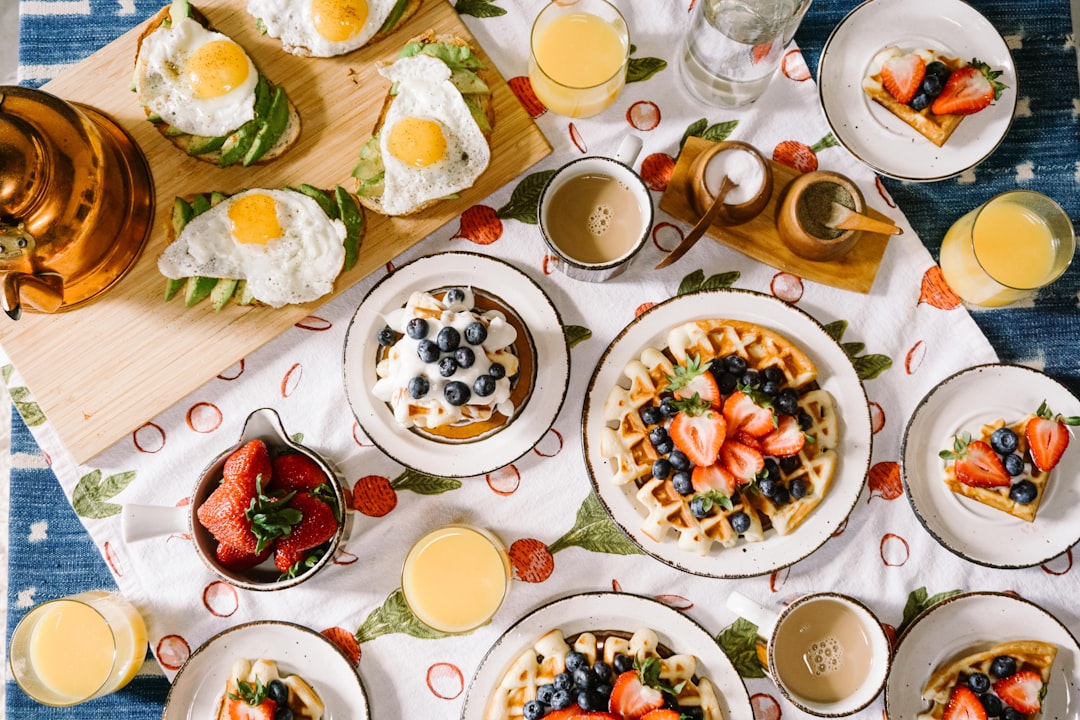
Halal Breakfasts That Feel Trendy: Protein, Fiber, and Clean-Label Ideas

When Cards Decline: Practical fixes wineries can deploy before members cancel
